The Problem with Makeshift Storage
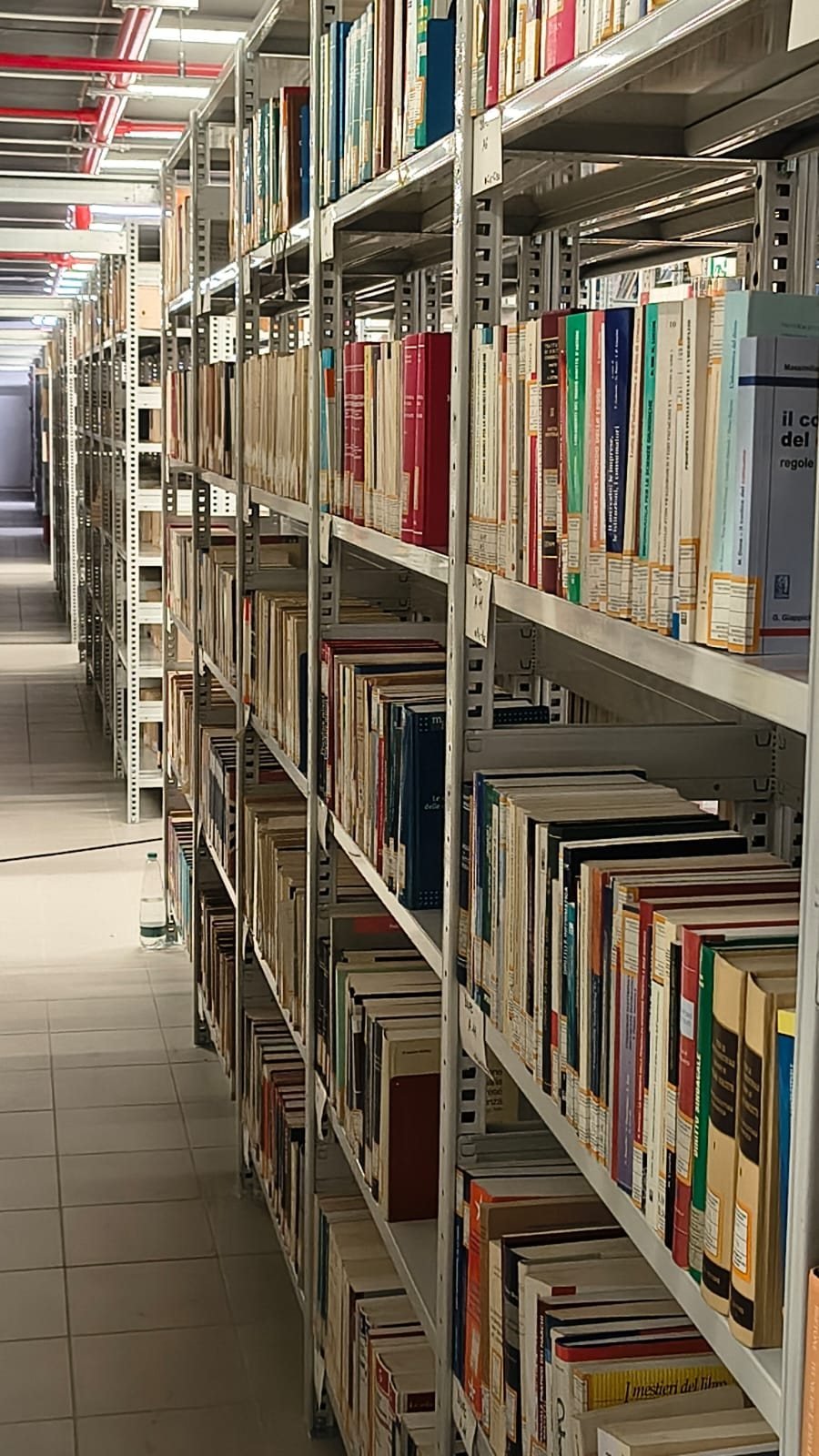
Most public and private institutions store archival material in spaces not designed for the purpose: damp basements, overheated attics, rooms shared with other uses. These conditions accelerate paper degradation, encourage the growth of mold and insects, and make long-term preservation impossible.
Paper material is best preserved at 18–20°C and 45–55% relative humidity, with minimal daily variation. Even a single week at 70% relative humidity can trigger irreversible biological processes in documents that have already survived centuries.
Our climate-controlled warehouses in Rome and Monza maintain these conditions 24 hours a day, 365 days a year — with independent backup systems in case of failure.
Real-Time Environmental Monitoring
Every storage zone is continuously monitored by certified IoT sensors. Data is logged every 15 minutes and accessible to the client through a dedicated web portal.
Storage Facility Features
24-Hour Video Surveillance
High-definition cameras with recording.
Fire Suppression System
State-of-the-art smoke detectors.
Certified Shelving
Certified metal shelving for archival and library loads.
"Preventive conservation costs a fraction of restoration. One year of proper storage is worth more than ten years of costly restoration."
Francesco Porcacchia — Technical ManagerFrequently Asked Questions
24/7 anti-intrusion systems: the storage facility is protected by closed-circuit video surveillance and alarms connected to the security service.
Fire prevention and protection: the premises are equipped with smoke detectors and devices for fire-risk prevention and management.
Environmental isolation and protection: the storage spaces are designed to protect the folders from direct sunlight, dust and moisture infiltration.
Reserved, controlled access: entry to the facility is allowed exclusively to authorised personnel, preventing any unauthorised contact with the documents.